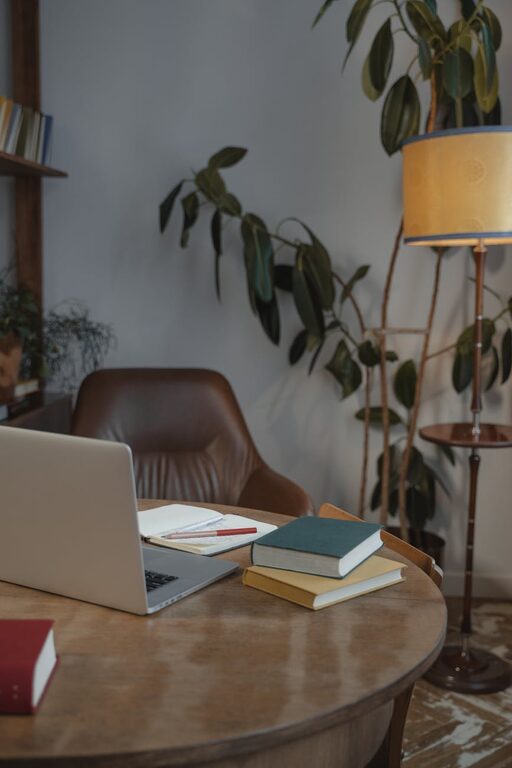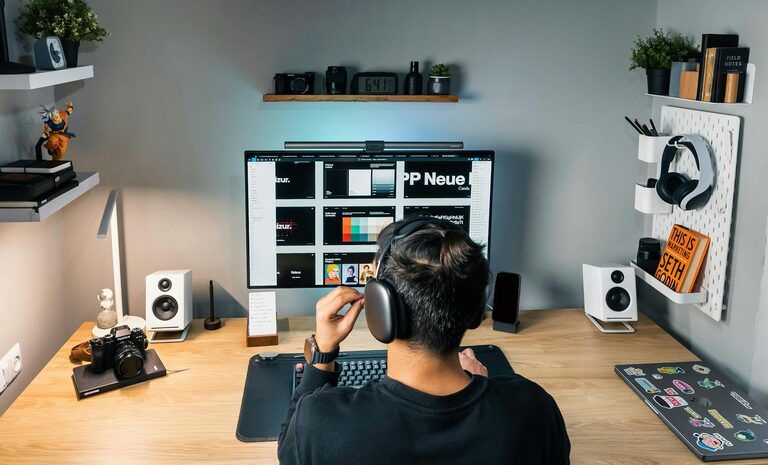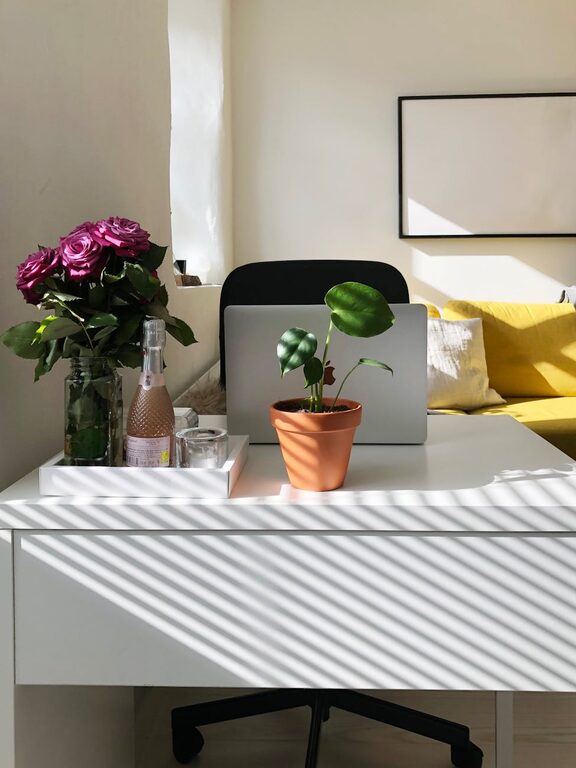

Creating a relaxing home workspace is essential for maintaining focus, reducing stress, and enhancing productivity. Whether you work from home full-time or occasionally need a quiet place to tackle tasks, your environment can have a big impact on how you feel and how effective you are. This guide shares practical tips to design a comfortable, calming workspace that helps you stay motivated and organized.
Why a Relaxing Workspace Matters
A cluttered, noisy, or uncomfortable workspace can cause distractions and increase stress. On the other hand, a thoughtfully arranged and peaceful environment encourages concentration, creativity, and well-being. When your space feels inviting and calming, you’re more likely to enjoy your work and complete tasks efficiently.
Choose the Right Location
Quiet and Private
Select a spot in your home that is as quiet as possible. Avoid high-traffic areas or places near noisy appliances. A dedicated room or a corner with minimal distractions can help separate work time from home life.
Natural Light
Try to position your desk near a source of natural light. Sunlight boosts mood and energy levels, which can improve focus. If natural light is limited, consider full-spectrum bulbs that mimic daylight.
Invest in Comfortable Furniture
Ergonomic Chair
A good chair supports proper posture and reduces the risk of discomfort or injury. Look for an ergonomic chair with adjustable height and lumbar support to fit your body well.
Functional Desk
Choose a desk that fits your needs in size and height. Consider how much surface area you require for your computer, paperwork, and other tools. Standing desks or adjustable options are great if you want to alternate between sitting and standing.
Organize Your Space Effectively
Declutter Regularly
Keep only necessary items on your desk. Clutter can overwhelm the mind and make it harder to find what you need. Use trays, baskets, or drawers to store supplies neatly.
Use Shelving and Storage
Vertical storage options help maximize space without crowding your work surface. Shelves, filing cabinets, or wall organizers keep important materials close but out of the way.
Incorporate Calming Elements
Soothing Colors
Choose a color palette that promotes relaxation, such as soft blues, greens, or neutral tones. Avoid overly bright or stimulating colors that may cause distraction.
Plants and Natural Elements
Adding a few indoor plants can purify the air and create a sense of calm. Natural textures like wood or stone accents also contribute to a peaceful atmosphere.
Manage Lighting and Screen Glare
Adjustable Lighting
Layer your lighting to reduce eye strain. Task lamps, diffused overhead lights, and natural light work best together. Position lights to avoid glare on your computer screen.
Blue Light Filters
Use screen protectors or software to reduce blue light exposure during long hours of computer work. This helps minimize eye fatigue and supports better sleep.
Minimize Noise
Soundproofing Tips
If noise is an issue, consider using rugs, curtains, or acoustic panels to absorb sound. Noise-cancelling headphones or white noise machines can also help maintain focus.
Personalize Your Workspace
Add Inspiring Decor
Choose artwork, photos, or motivational quotes that uplift your spirits. Personal touches can make your workspace feel more inviting and uniquely yours.
Comfortable Accessories
Use cushions, footrests, or wrist supports to increase comfort during work. Even small adjustments can make a big difference in your daily experience.
Establish a Work Routine
Scheduled Breaks
Include short breaks in your workday to stretch, move around, and rest your eyes. This habit helps prevent burnout and keeps your energy steady.
Clear Start and End Times
Set boundaries between work and personal time. A designated workspace helps reinforce this separation, signaling when it’s time to focus and when to unwind.
Keep Technology Simple and Organized
Cable Management
Use clips, sleeves, or boxes to keep cords tidy and out of sight. A neat setup reduces frustration and makes cleaning easier.
Reliable Equipment
Invest in reliable hardware and internet connections to avoid frequent interruptions. Having dependable tools supports smoother workflow and less stress.
Final Thoughts
Creating a relaxing home workspace doesn’t require a major overhaul. Small changes like adding plants, organizing your desk, and improving lighting can transform how you feel while working. By designing a comfortable, calm area tailored to your needs, you can boost productivity and enjoy your home office more each day.
Take some time to evaluate your current setup. Experiment with these tips and adjust as you learn what works best for you. A well-crafted workspace is one of the best investments you can make for your wellbeing and professional success.